 Home
About
Projects
Games
Home
About
Projects
Games
After starting with C++, I moved on to JavaScript, HTML, and CSS. I now have a relatively large range of applications that you can check out on the Games page directly in your browser. Here is a website with a real web server, which unfortunately does not work on mobile devices, takes a while to start up, and is not yet finished, but still works. It is in German and is intended for the community of my own Minecraft server. Here you can find it: Click here
I think this is probably the most important page here.
This page is meant to represent me, because my projects and visions drive me forward in my life and therefore also represent me.
But my projects also represent my talents and hobbies. So they are an important part of who I am.
Please note that some projects are still in the development phase. All executable files are virus-free. If you don't have Java, I have a .zip file for you that contains Java (the rest is self-explanatory).
You will find a README.txt file in the Java files, which you can read for further specific information.
My first Java game/project
(This .zip contains a .jar)
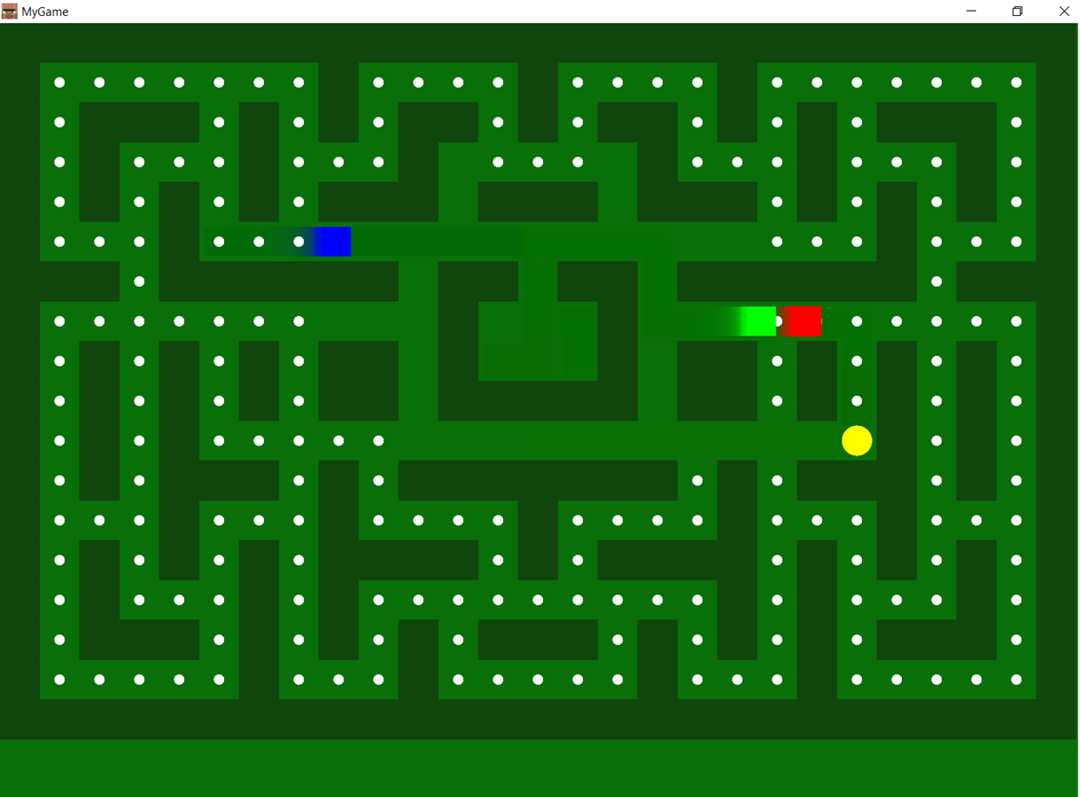
This was my first Javaproject. Made with this tutorial: Link.
Thank you so much JavaABC!!!!
The goal of the game is to collect ol the coins/dots.
But if you colide with an enemy you die!
Enemies:
- Direct-Enemy: Using A*-Algorytmus to kill the player directly.
- Indirect-Enemy: Using A*-Algorytmus to kill the player indirectly (cuting the way).
- Random-Enemy: Calculate a random position and use A*-Algorytmus to got to this position.
Controls:
WASD or Arrow-Keys to move
Have fun!
My self coded Minecraft (Test Clone)
(This .zip contains a .exe)
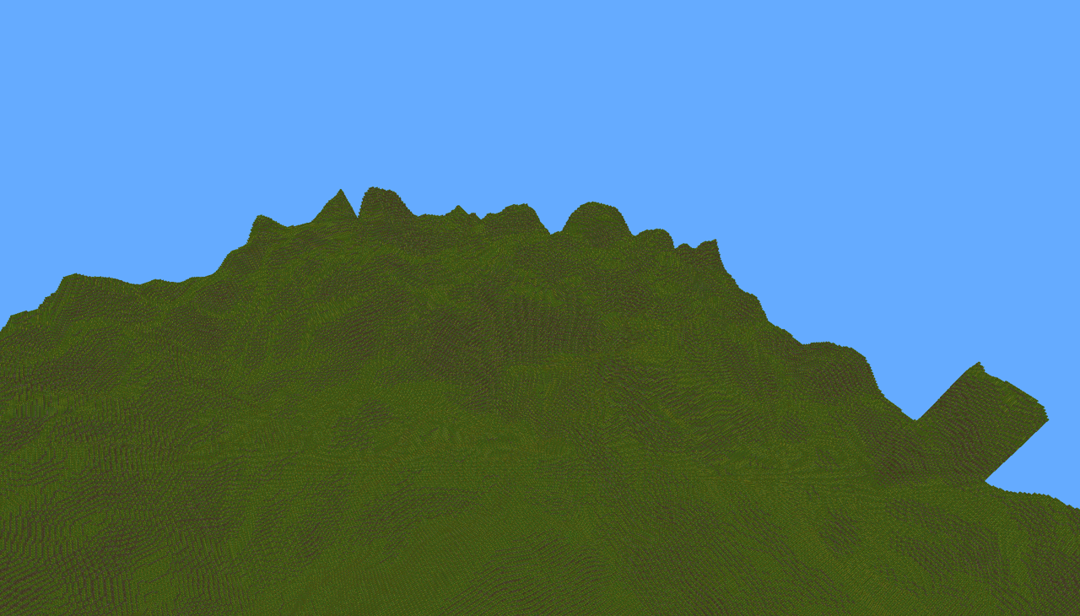
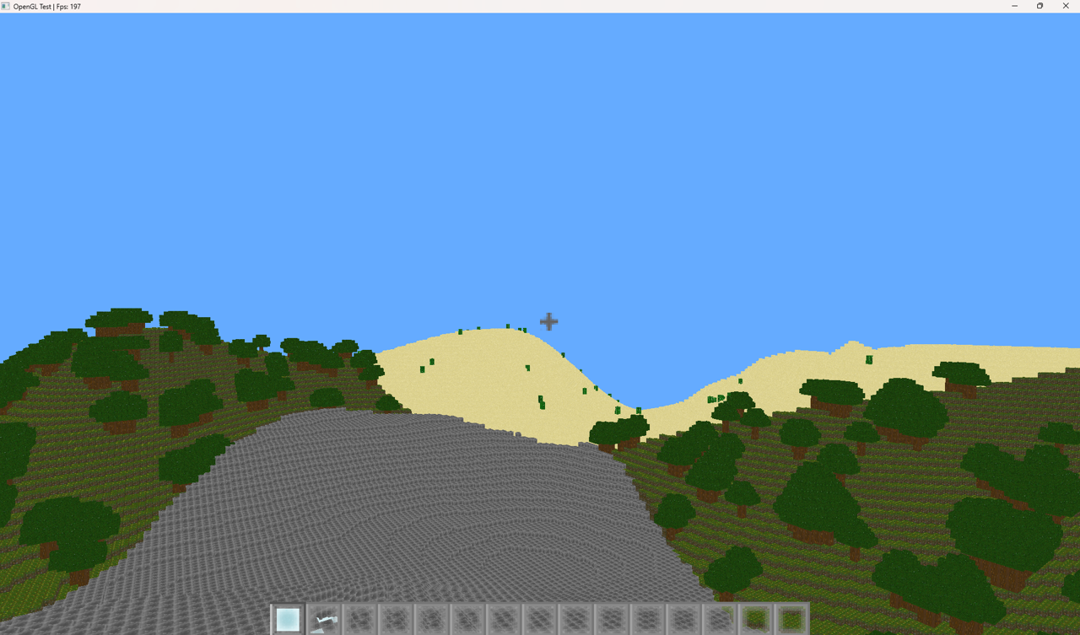
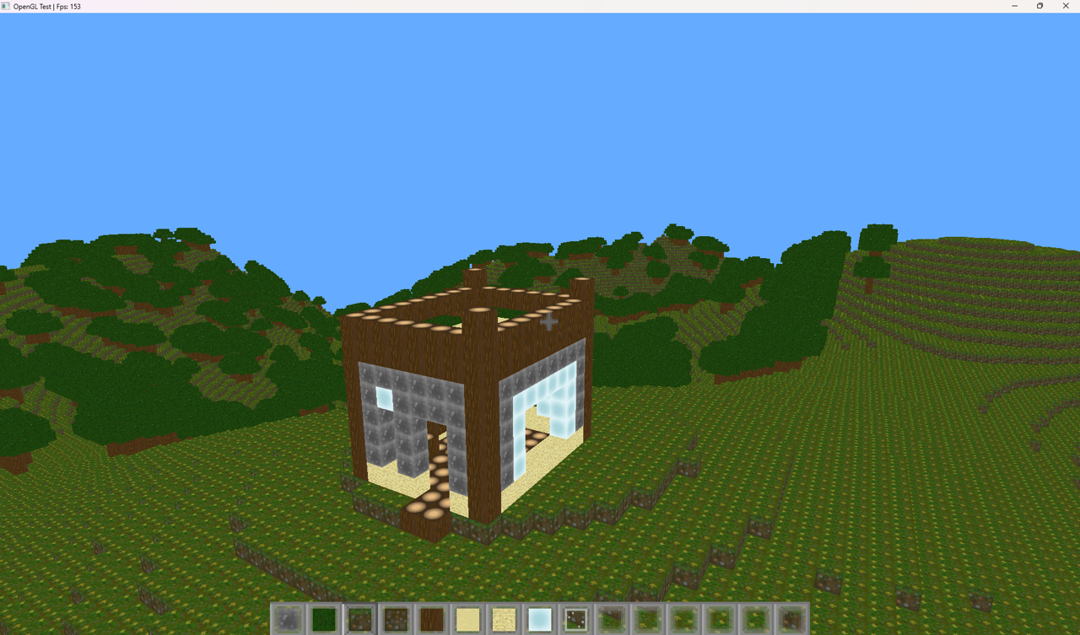
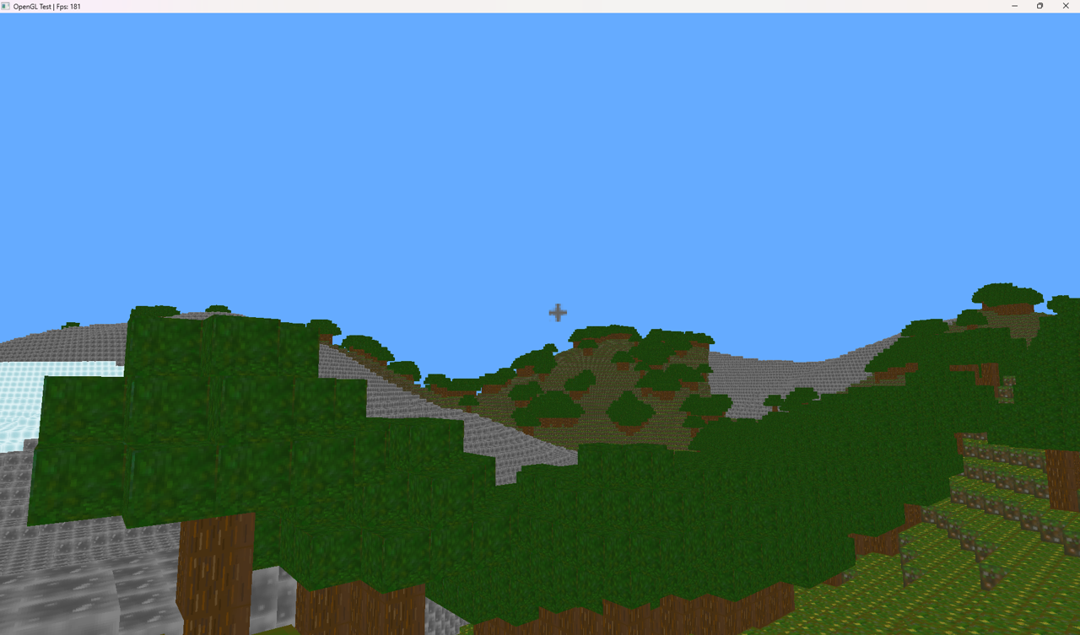
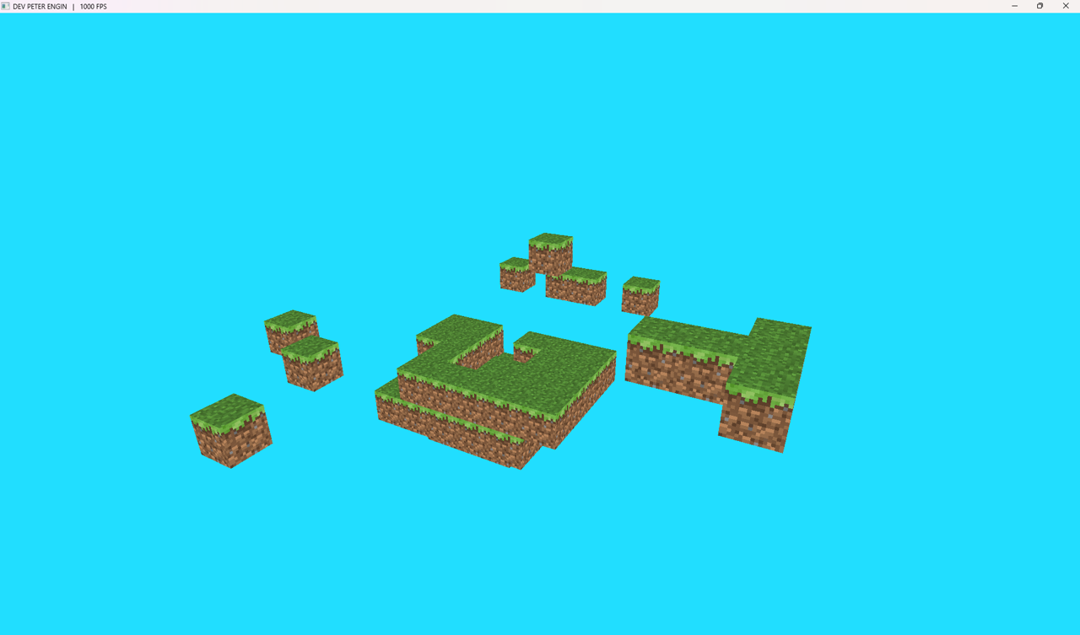
This is the testprogram of my own 3D-Graphics-Engine (using OpenGL through LWJGL).
Its only a testversion, strong inspired from the Game Minecraft.
To build a 3D-Graphics-Engine Ive build my own shaderprogram with Java and GLSL.
To understand how 3D-Graphics work, you have how the mathematically process named
Vertex-Transformation works.
You have a point in 3D space called a vertex. This point can be described as the corner of a triangle, because the GPU works fastest with triangles. This 3D point is mathematically referred to as a vector. Our goal is to get this vertex onto a 2D screen. I can do this by shifting this vertex. You can shift it mathematically using matrices. The 3D point is transformed as follows: model space -> world space -> camera space -> screen space. I combined this with chunk handling and lo and behold: my own Minecraft. So, using only LWJGL and the JDK, I created my own 3D engine (with physics, graphics, input, chunk system, etc.) and then my own Minecraft. You can look at this page if you are interested: Page.
My Perlinnousing worldgenerator (2d)
(This .zip contains a .jar)
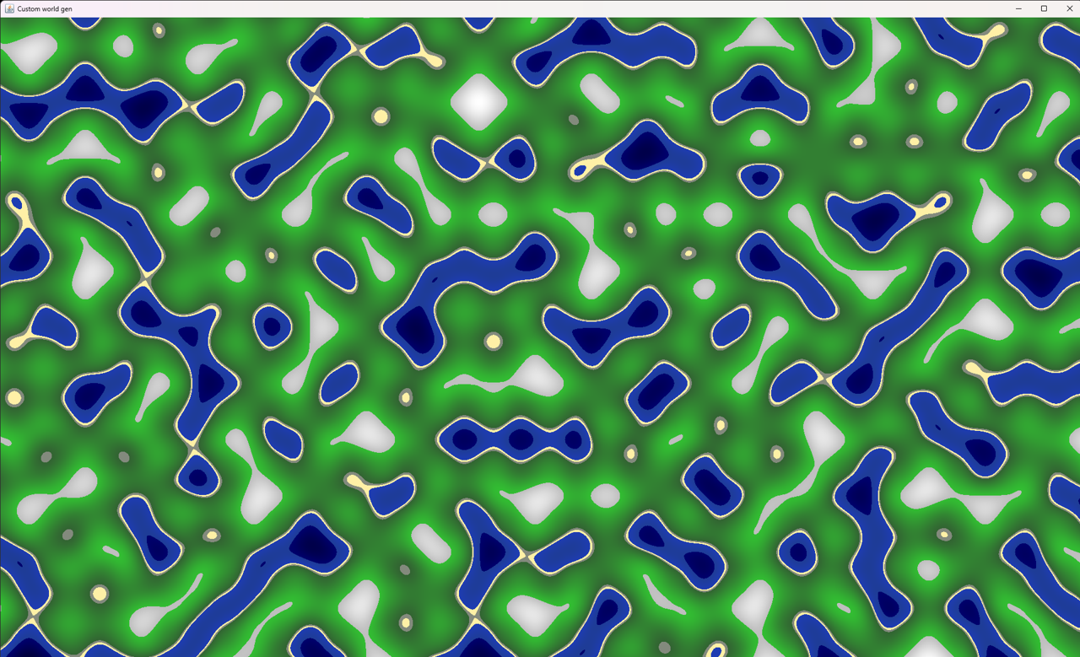
This is a generator for 2D (and later, through my own Minecraft, also 3D) landscapes.
The algorithm uses a mathematical/computational method called “Perlin Noising.”
A seed is used as input as a long value.
The seed causes it to be generated randomly, but still dependent on the seed.
You can test it if you want!
Oh yes the background-image of this page is created by this generator!
My Own Client and Server App (Chat-App)
(This .zip contains a .jar)
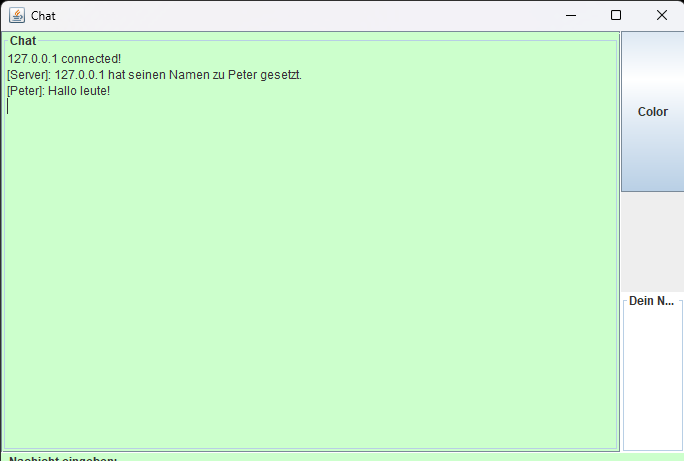
Client-Side
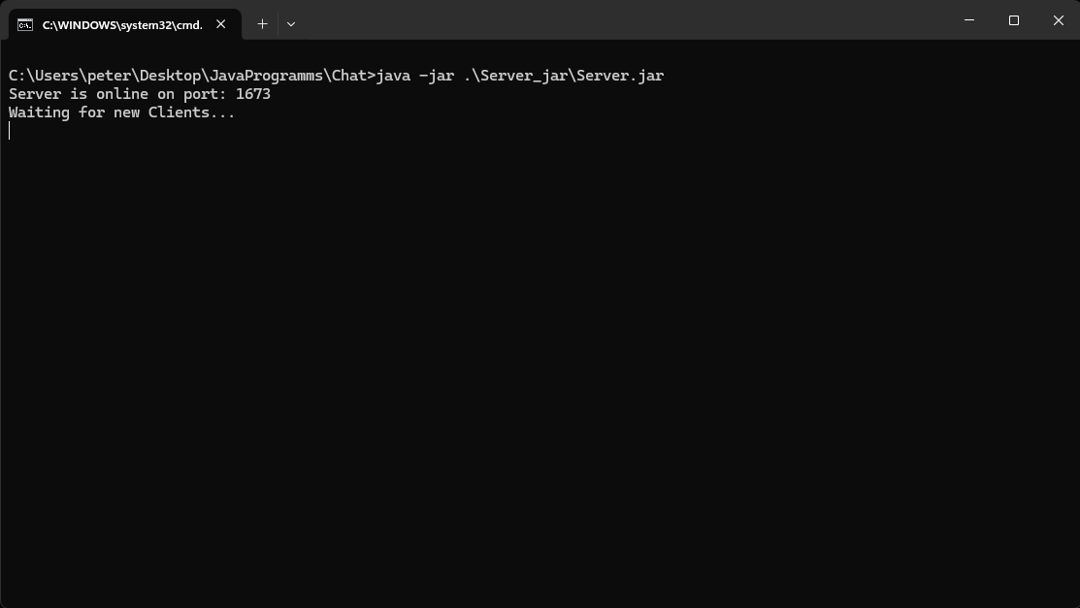
Server-Side
This is one of my first programs that has something to do with the Internet: My chat server+app.
A JavaSocketConnection is used to establish a connection between the client and server via the Internet (still local).
The interface doesn't look great (it's written with java.awt), but it works, like the /name command, which you can use to rename yourself or change your color.
My Learnstudio (for school)
(This .zip contains a .jar)
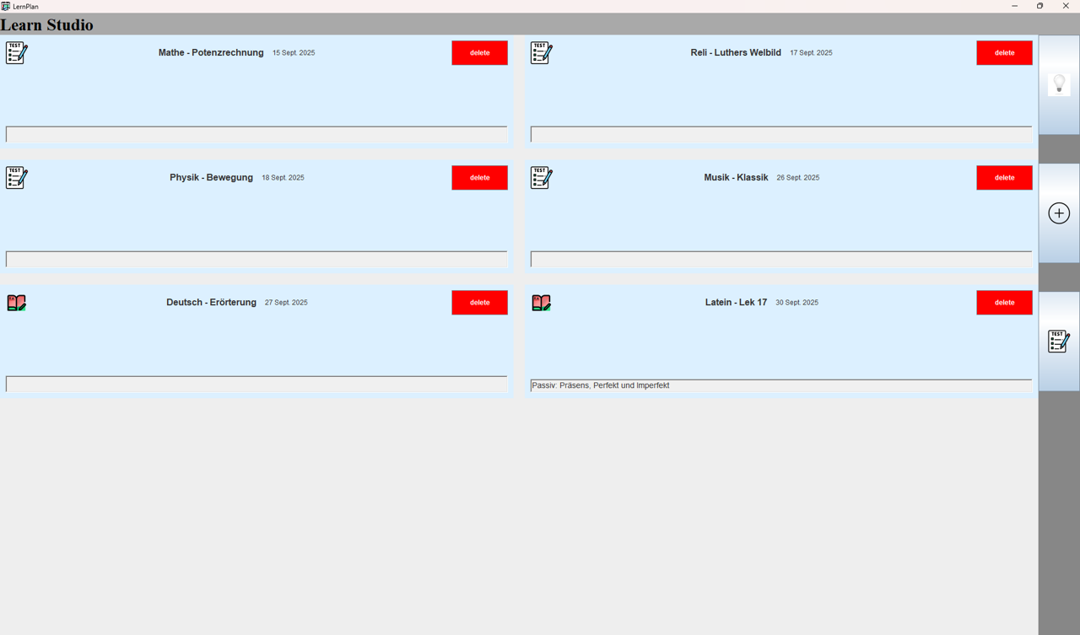
This is my Learnplaner App.
You can create Leanobjects like tests, classtests, or homework.
Next all these learnobjects will save under "%appdate%/.LearnStudio"
My own PianoSimulator!
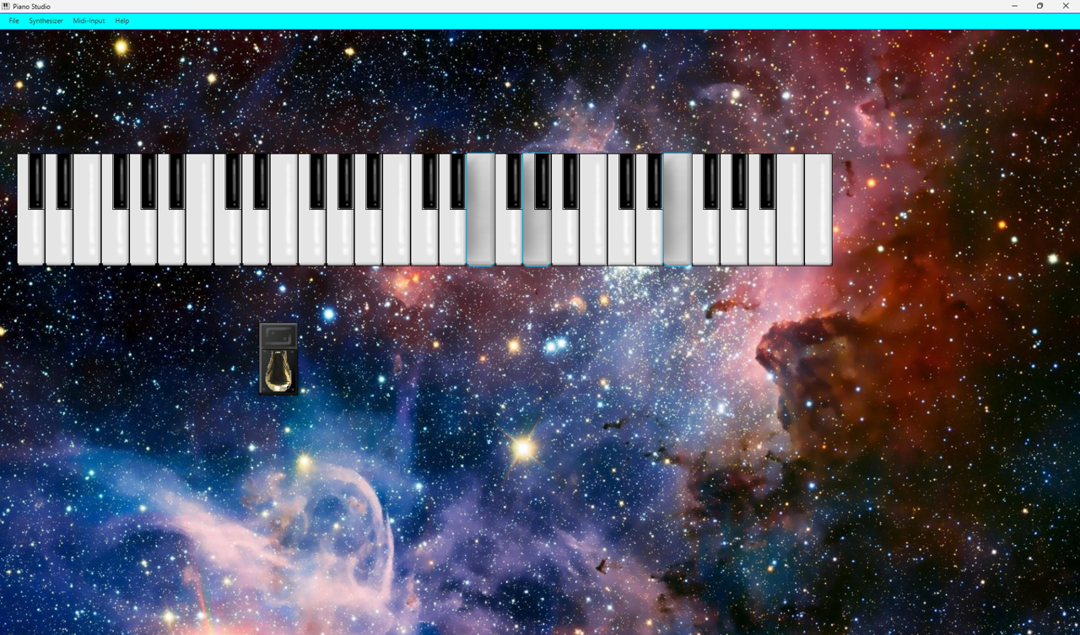
This is my own piano simulator for the computer keyboard.
Based on the Java synthesizer from the JDK.
You can use your own .sf2 synthesizers from the Internet.
The UI is based on a Java library called JavaFX.
Unfortunately, only available on Windows so far (assuming you can't rewrite the bat file).
Java Launcher - Do dont hava Java? here ive a java launcher for you!
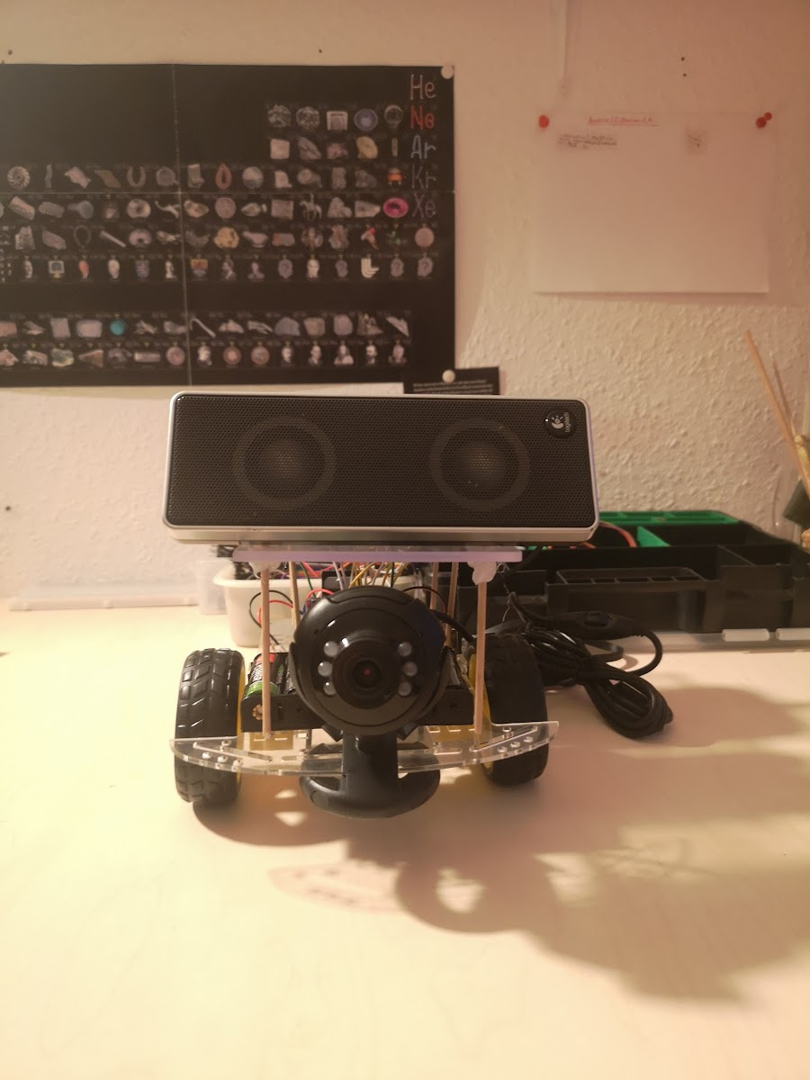
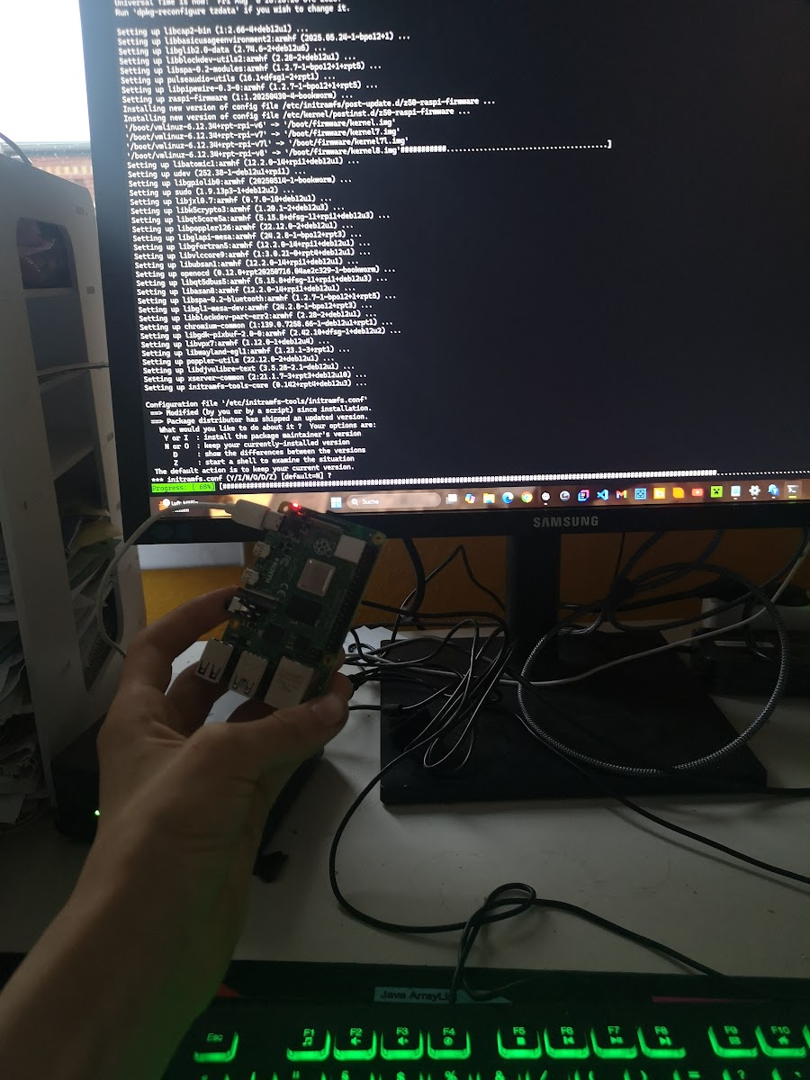
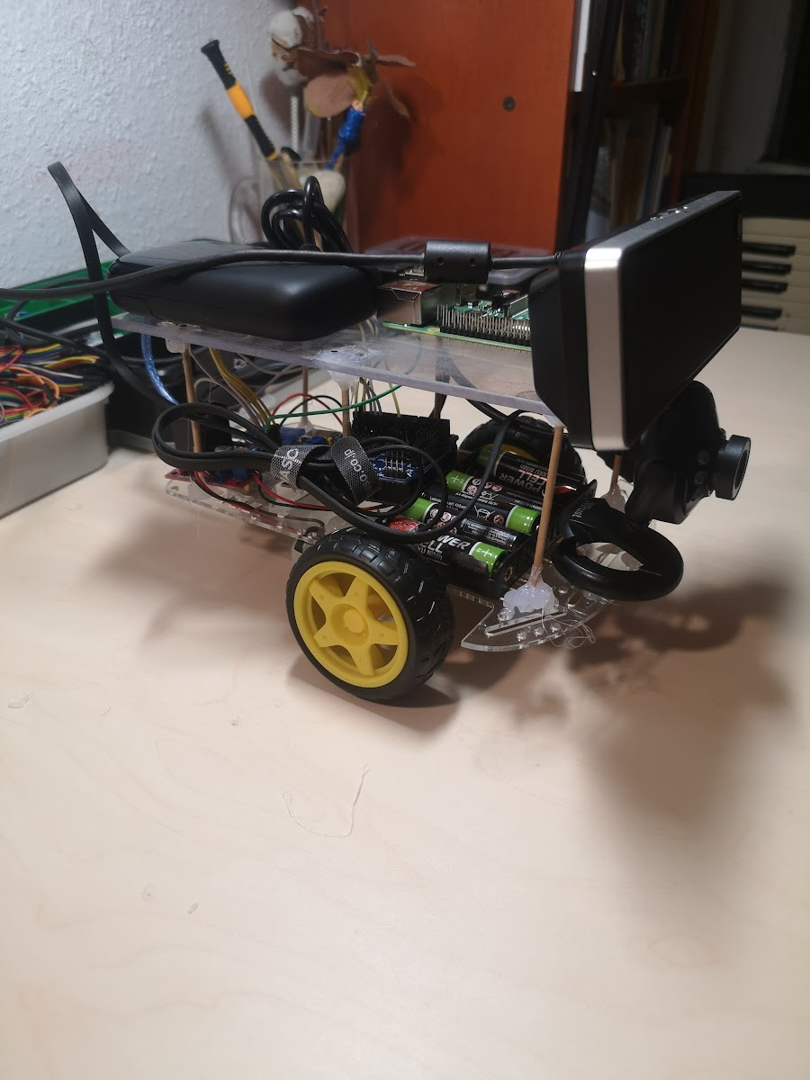
My work with hardware was also my first step toward software. When I was 8 years old, I got an Arduino UNO construction set, which allowed me to program a small microcontroller. My first code (copied from the accompanying booklet) was for an ultrasonic sensor that could measure distances. It was written in the C++ compiler language. It didn't work right away, and I was completely overwhelmed by the exceptions at the time, but I didn't give up. I kept tinkering around and quickly came up with the idea of building my own robot, and so Auxillian was born. My first attempts were simple. Unfortunately, the second one remained just an idea, but with the third (after 2 years of software development), I even built in a few AI functions. Auxillian III was a great success with less than 3 weeks of development time. It works with a Raspberry PI 4 B and an Arduino UNO, which controls the motors and sensors. The Pi is the brain. It has a Python script that constantly listens for the keyword “Helfer” (German for “Auxillian” – Latin for helper) in the surrounding environment and filters for other commands when the keyword is mentioned. When the command “question
Since AI has become important in my robotics project, I naturally started thinking about how AI actually works internally and what the magic behind it is. During a computer science project in ninth grade, I revisited AI for a research paper (where we were only supposed to write the introduction) and summarized my knowledge from various documents in a few chapters. Here is my documentation about AI Transformer Models. It is still far from finished:
AI - Transformer Models - PDF (German)
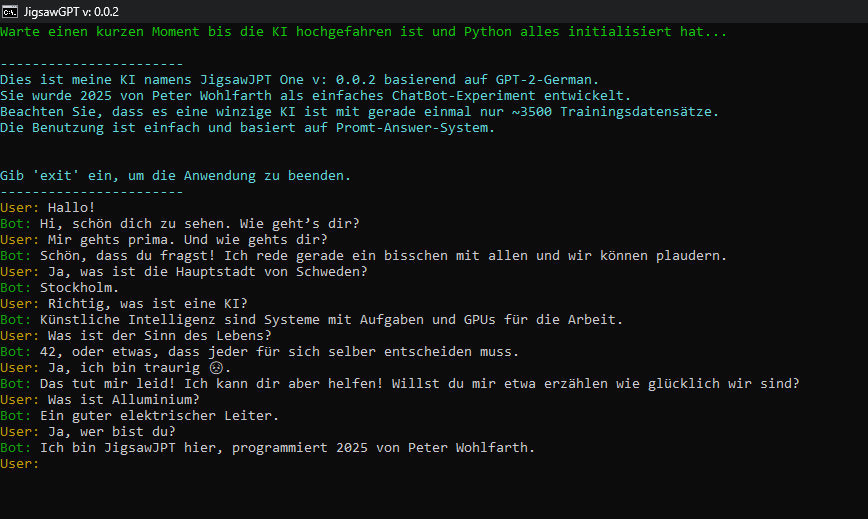
I then started researching AI in practice. First, I trained a transformer model from scratch using PyTorch, but later abandoned it due to limited data and resources and looked for a new approach. My solution was to fine-tune an existing model, and I chose GPT-2. This resulted in JigsawGPT, a small chatbot of my own. You can download the entire model here and even test it yourself with an HTML front end. Please note: 5 GB!
JigsawGPT v.: 0.1 (German)
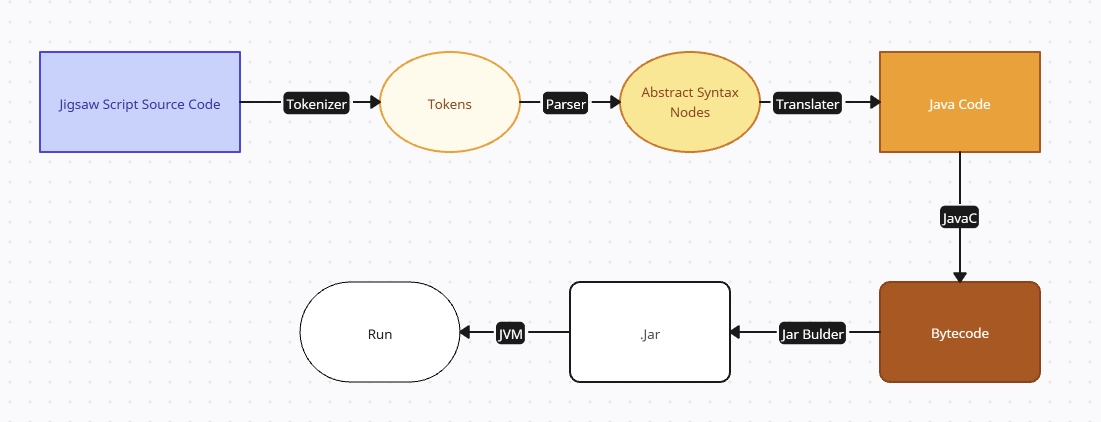
Jigsaw Script is my first programming language.
Its compilation process is very similar to that of Kotlin (the official Android language).
The syntax is a mixture of Kotlin, Python, and JavaScript.
I programmed the compiler entirely myself using Java (only the JDK).For security reasons, I have not made the compiler available for download here, as the concept, which I will not mention here, is interesting and of great value.
I apologize for this... The following flowchart shows the compilation process in more detail. You should notice the similarity to Kotlin.
Jss tutorial made by my own..
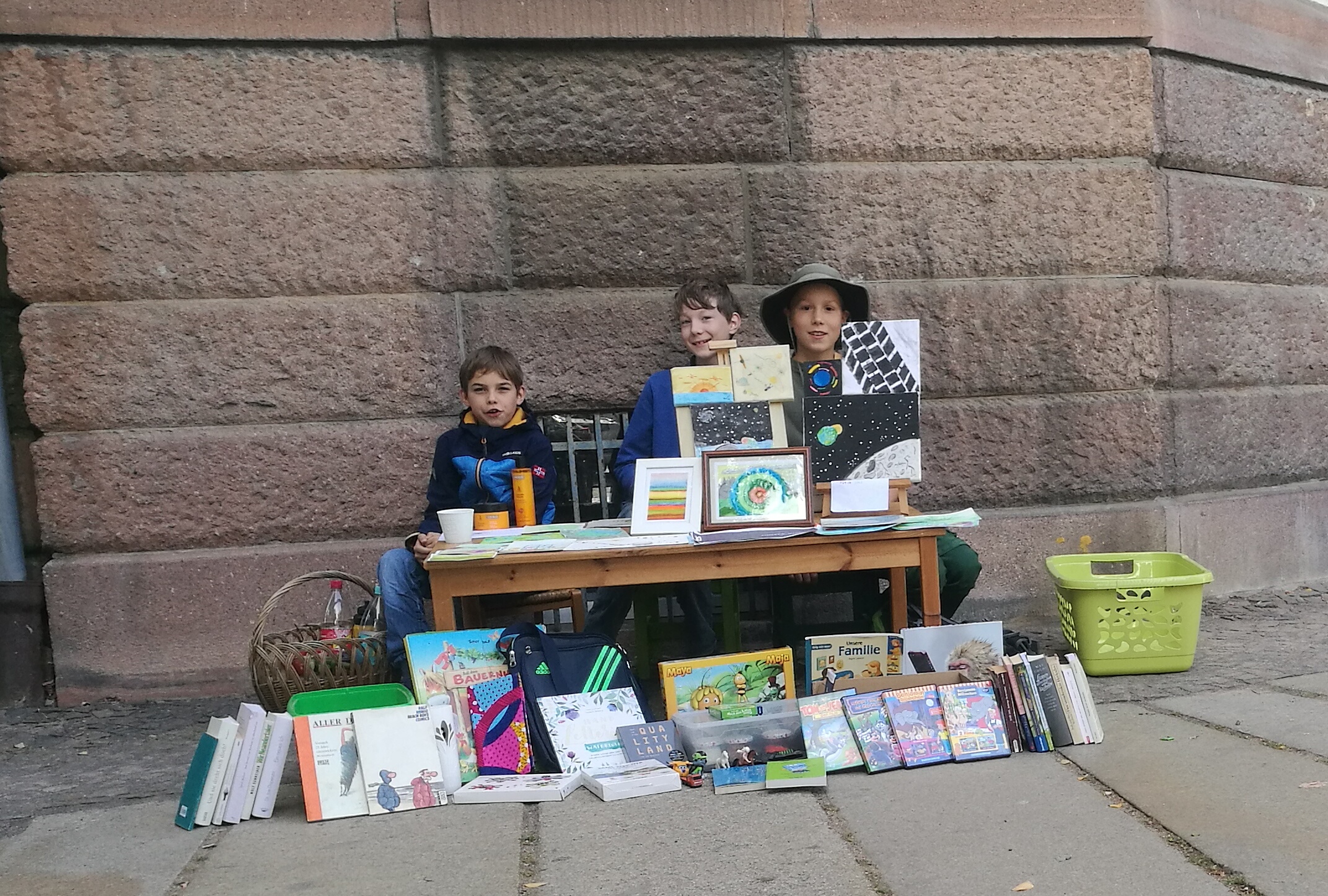
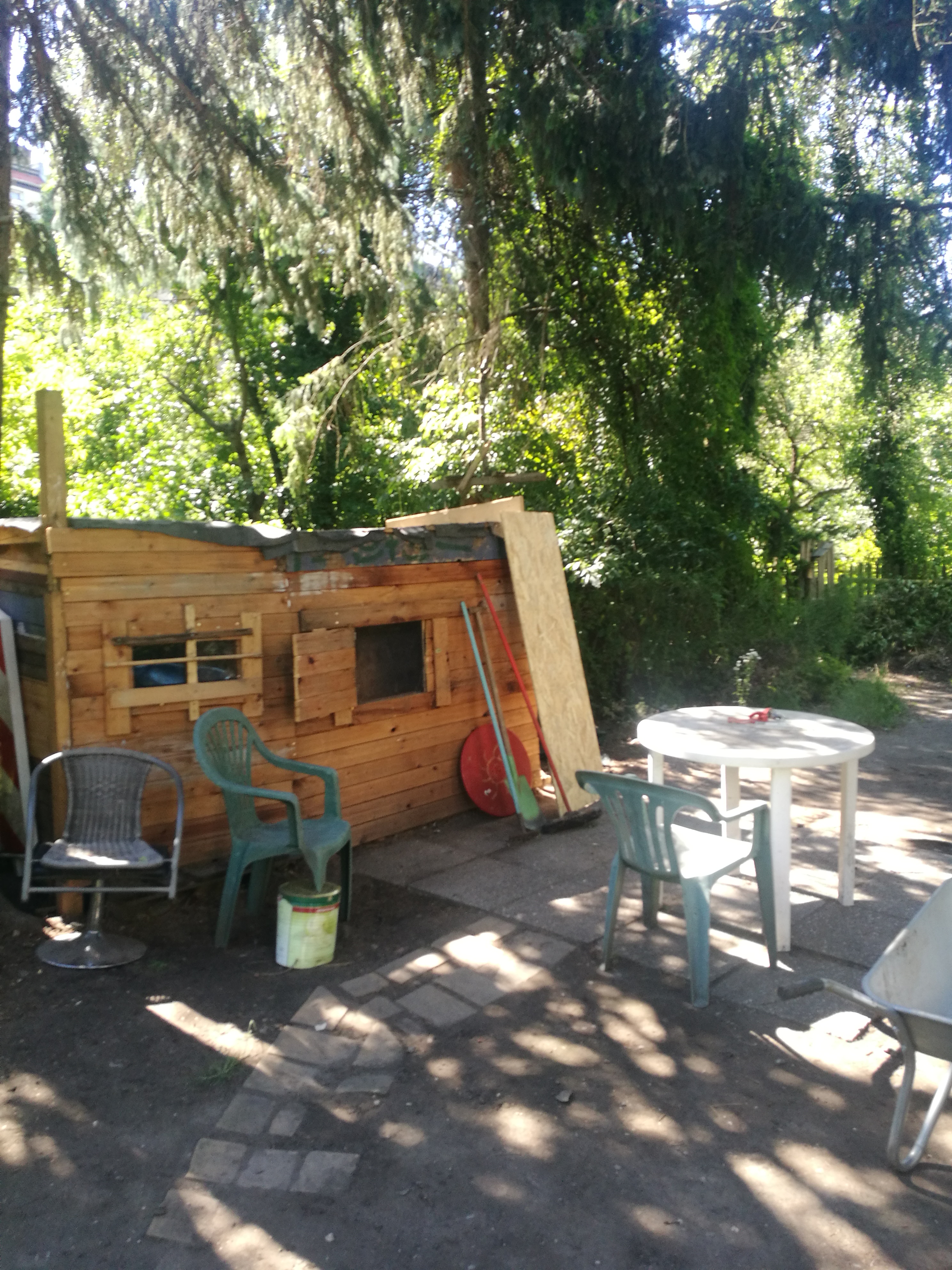
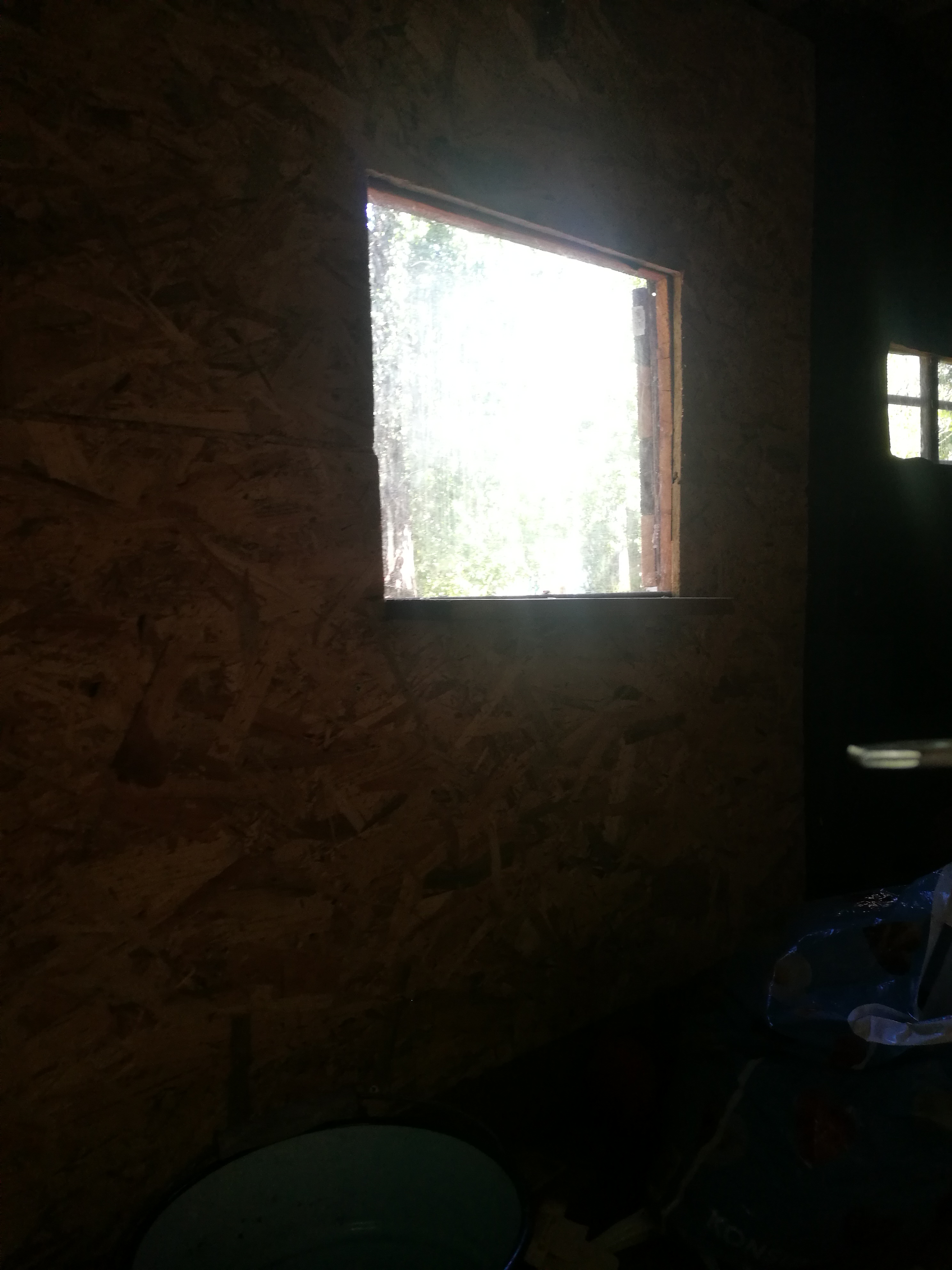
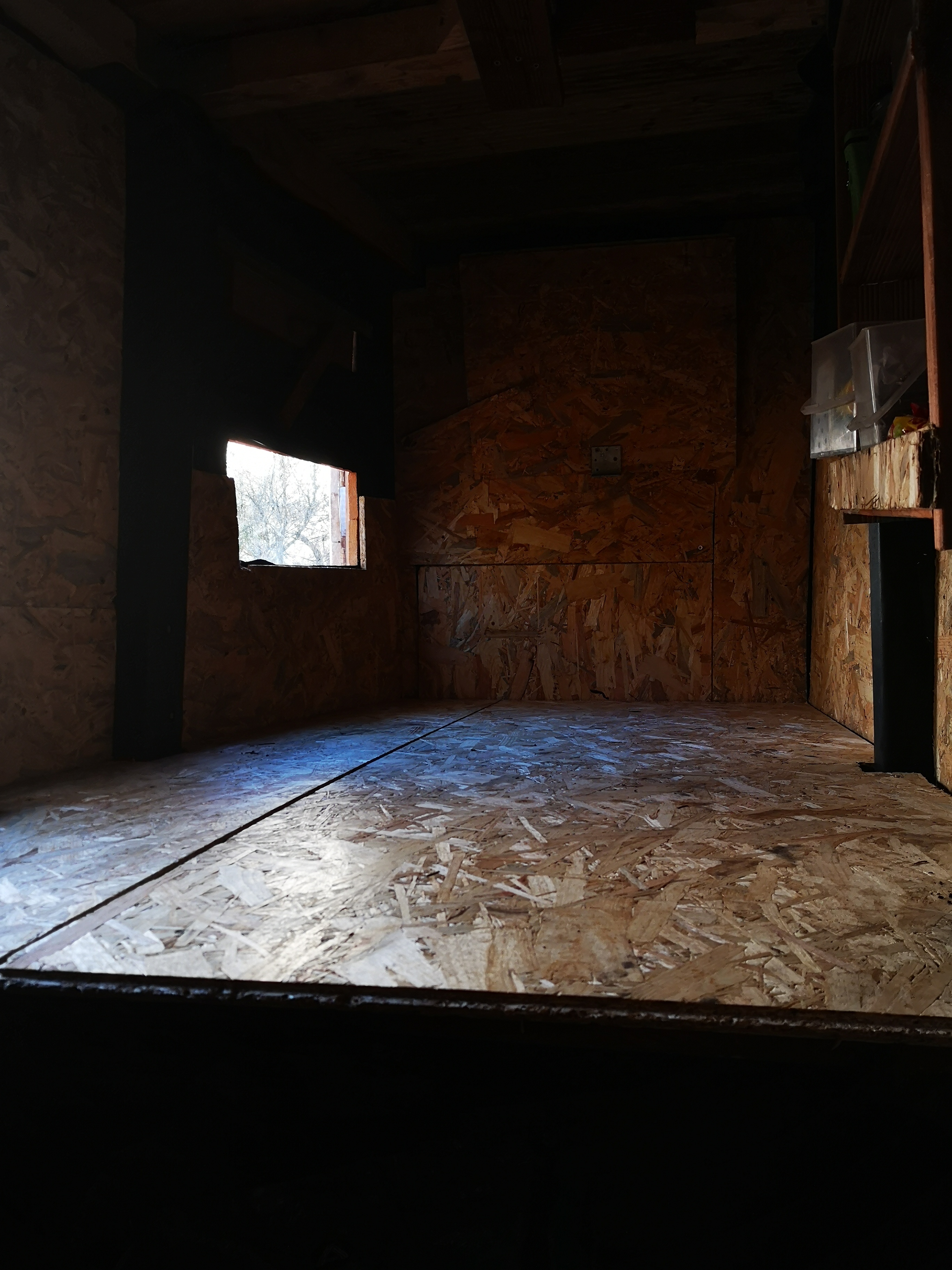
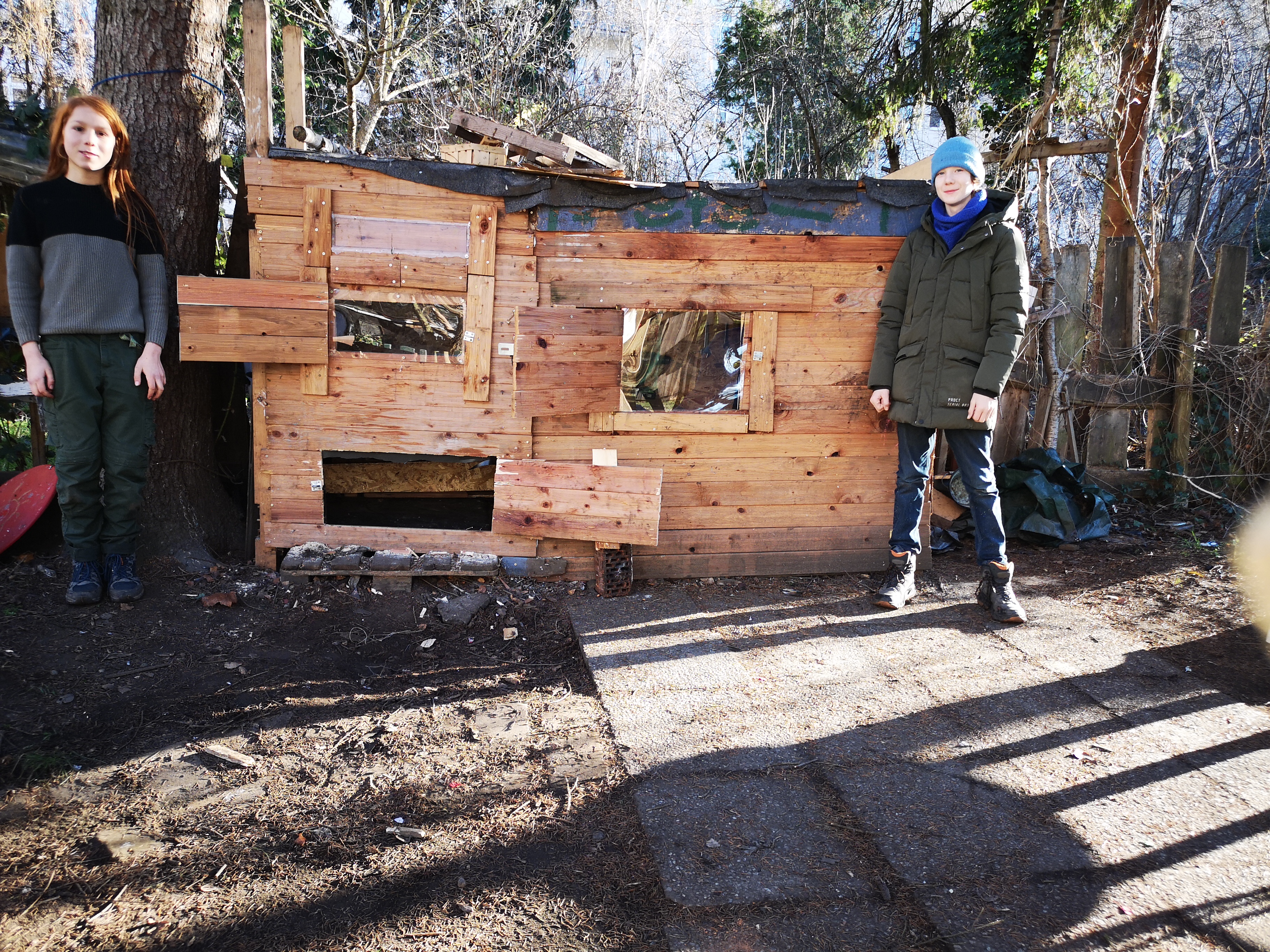
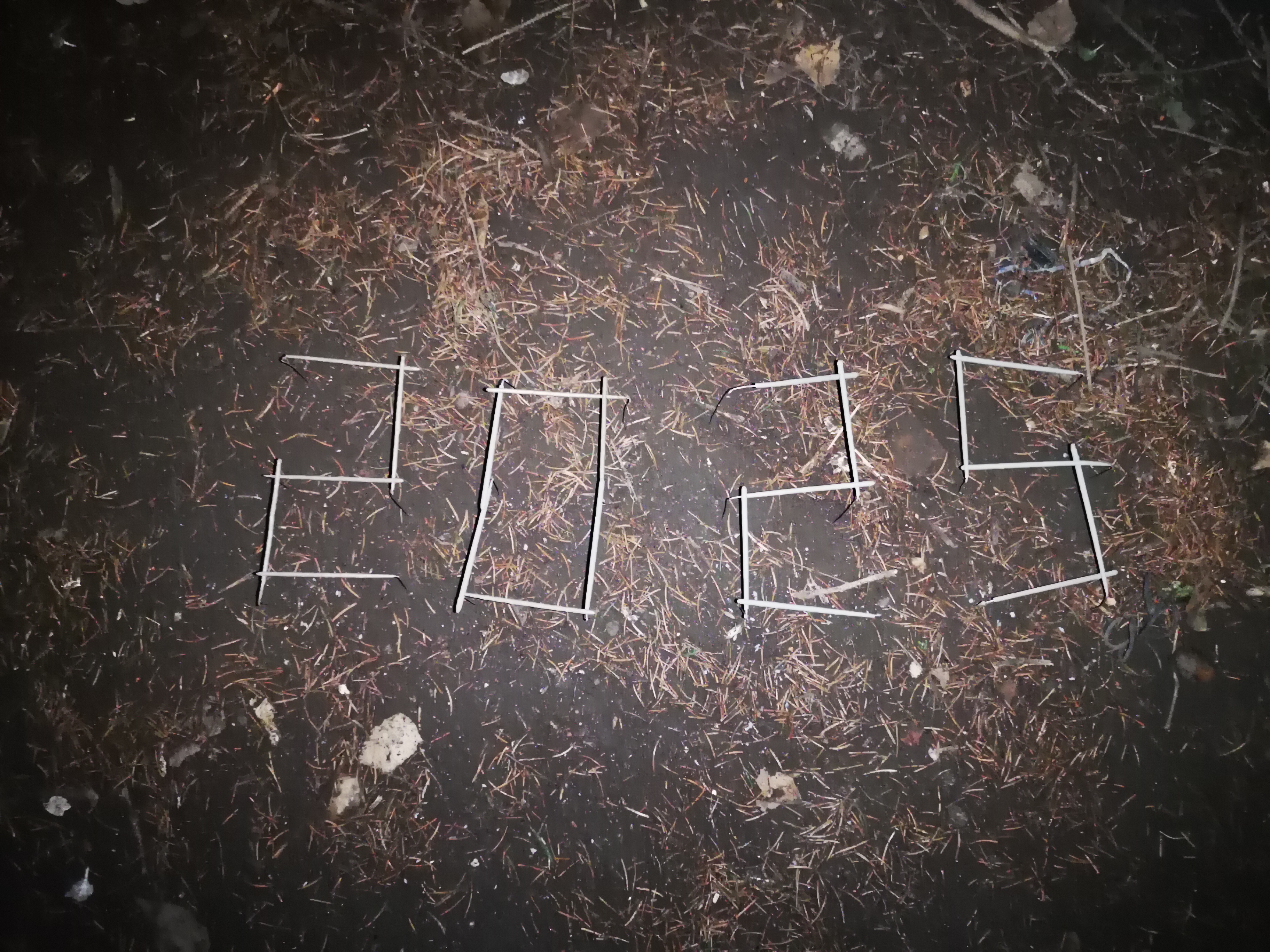
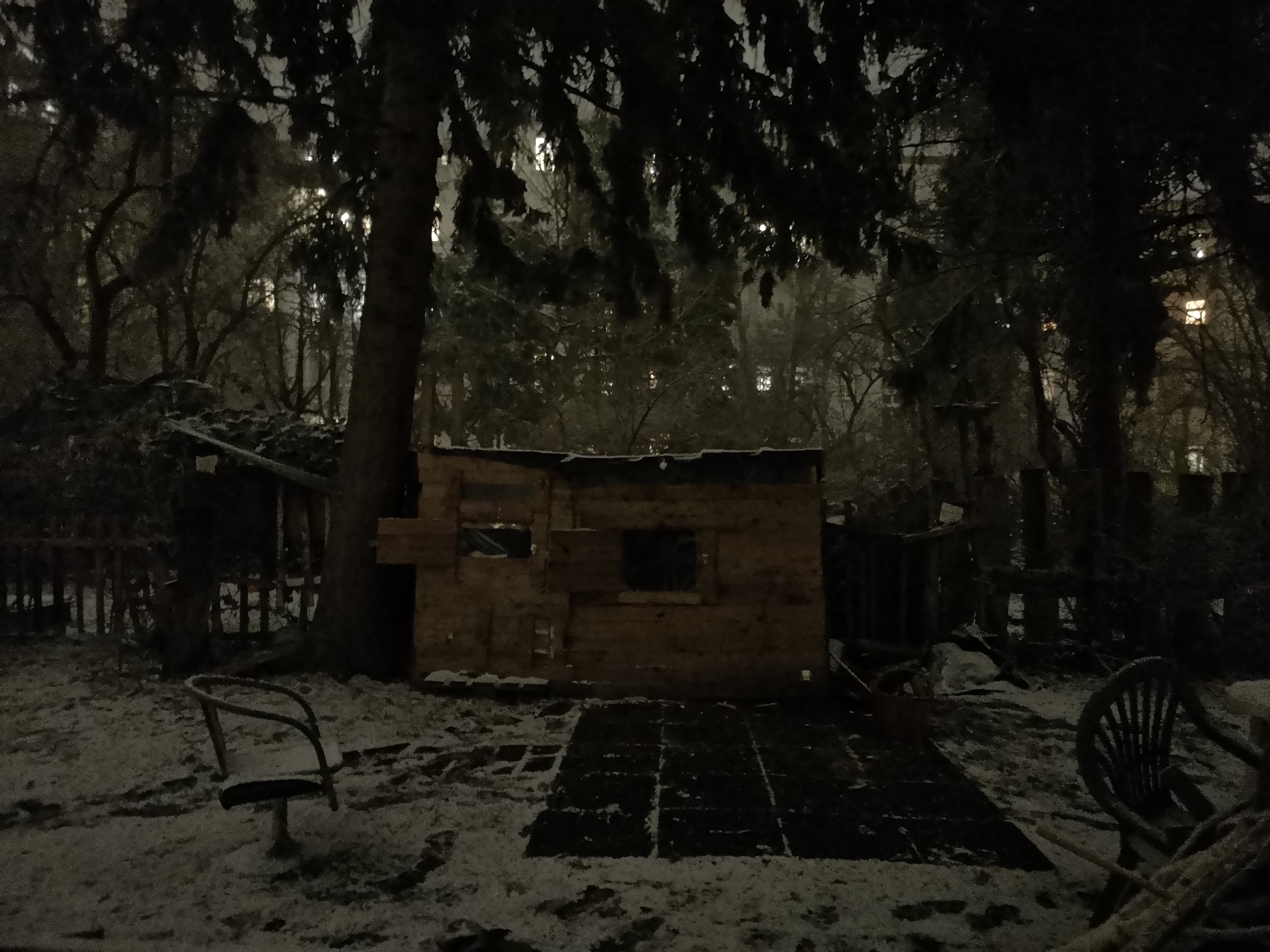
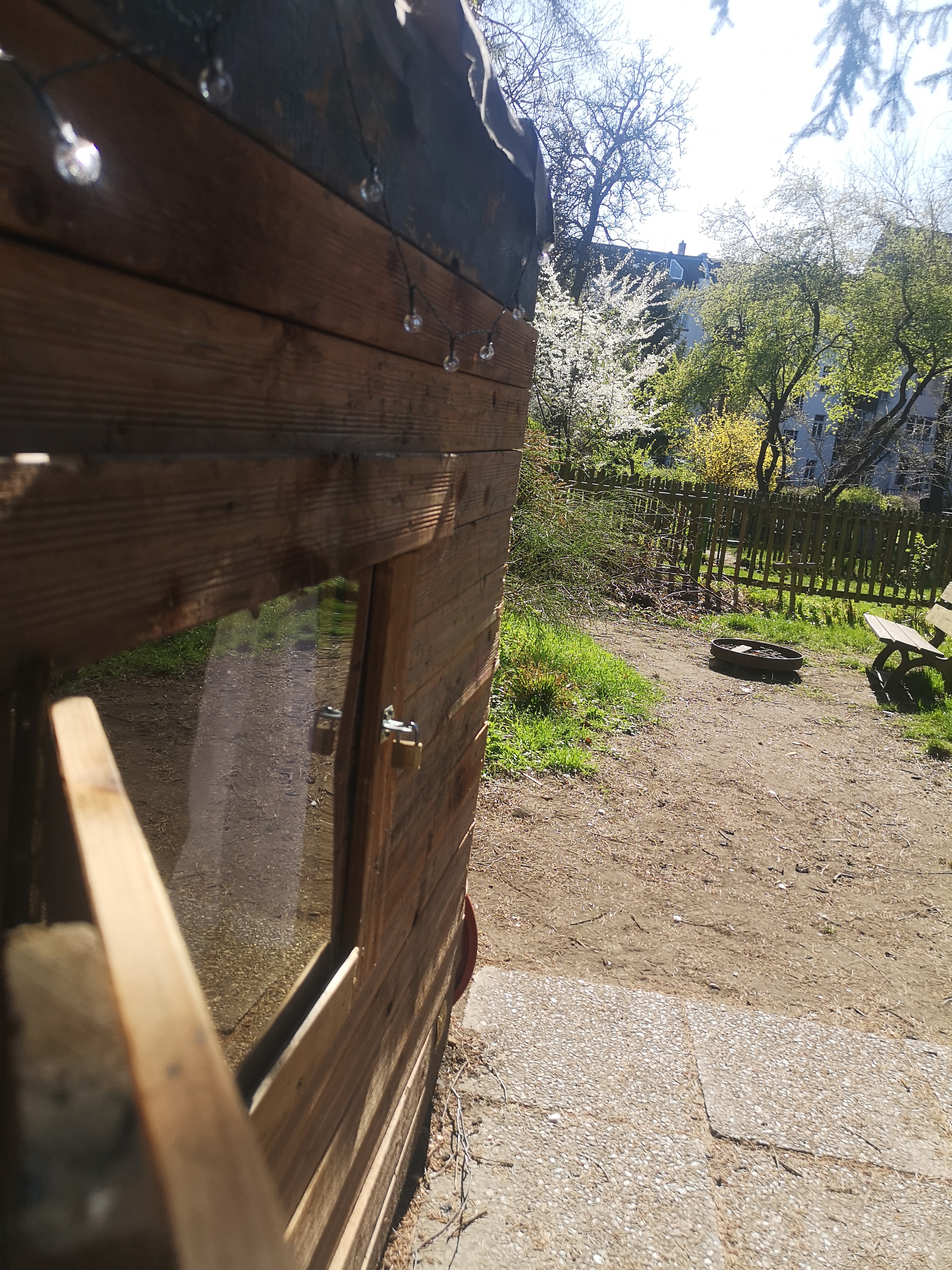
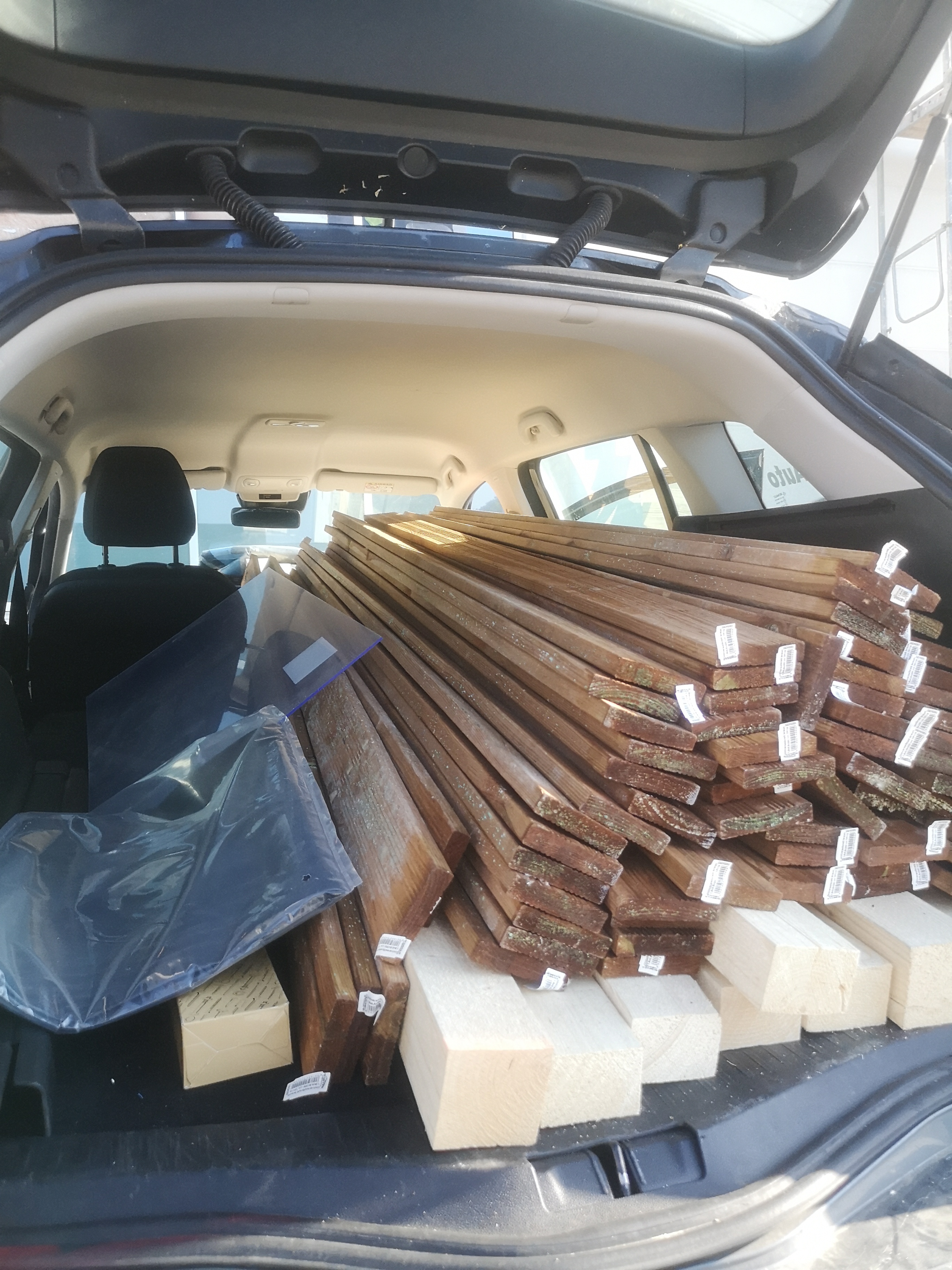
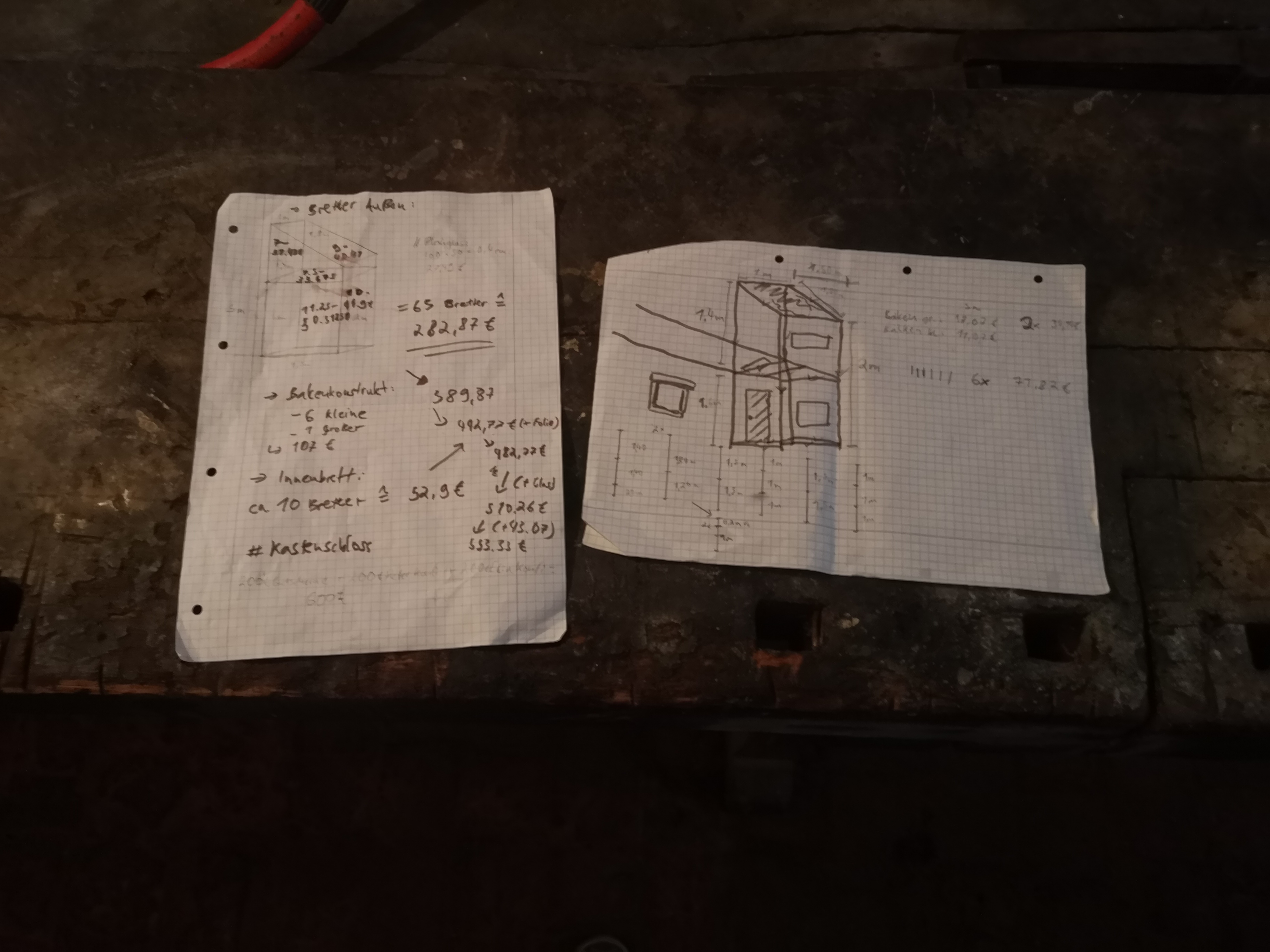
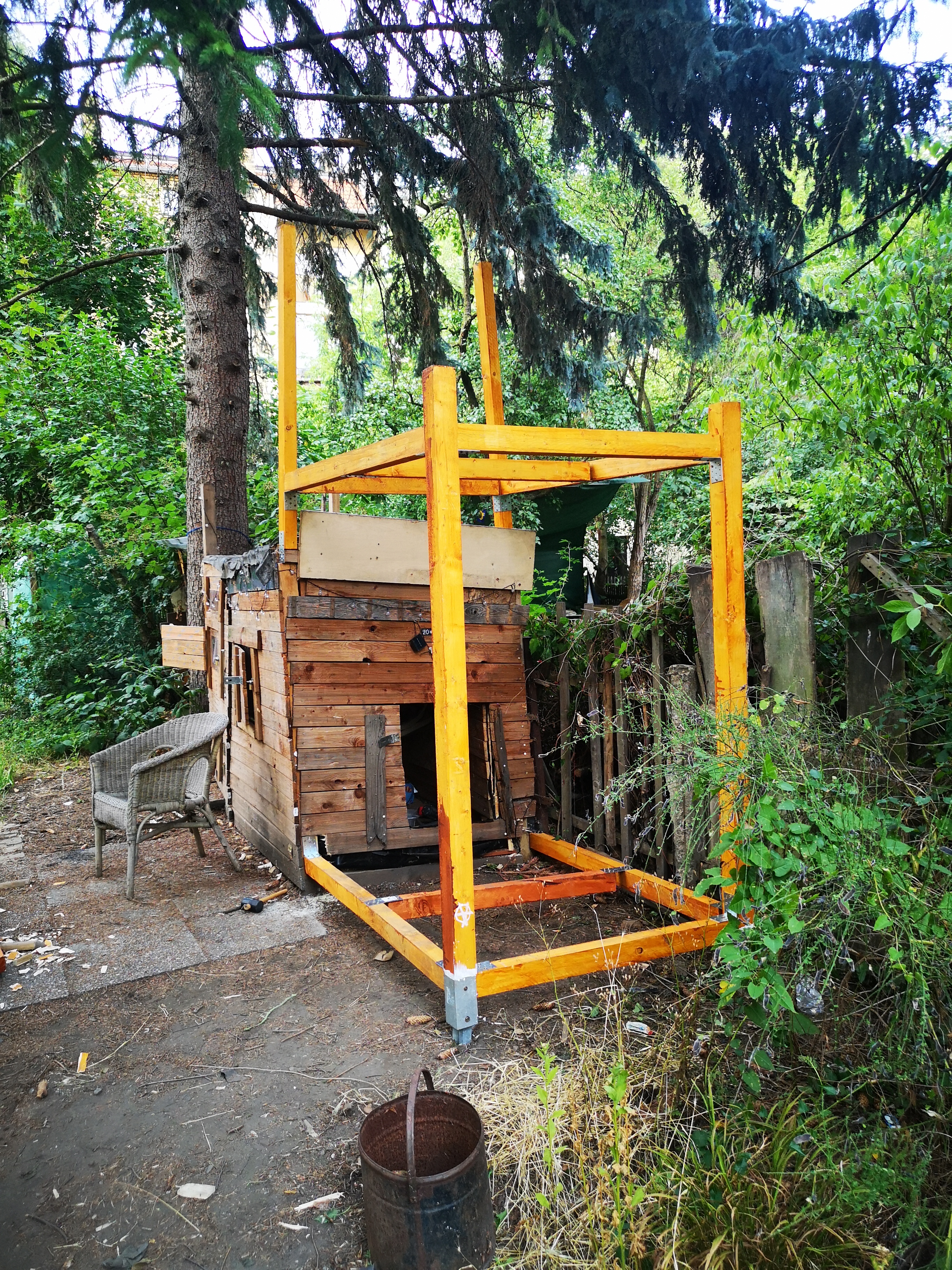
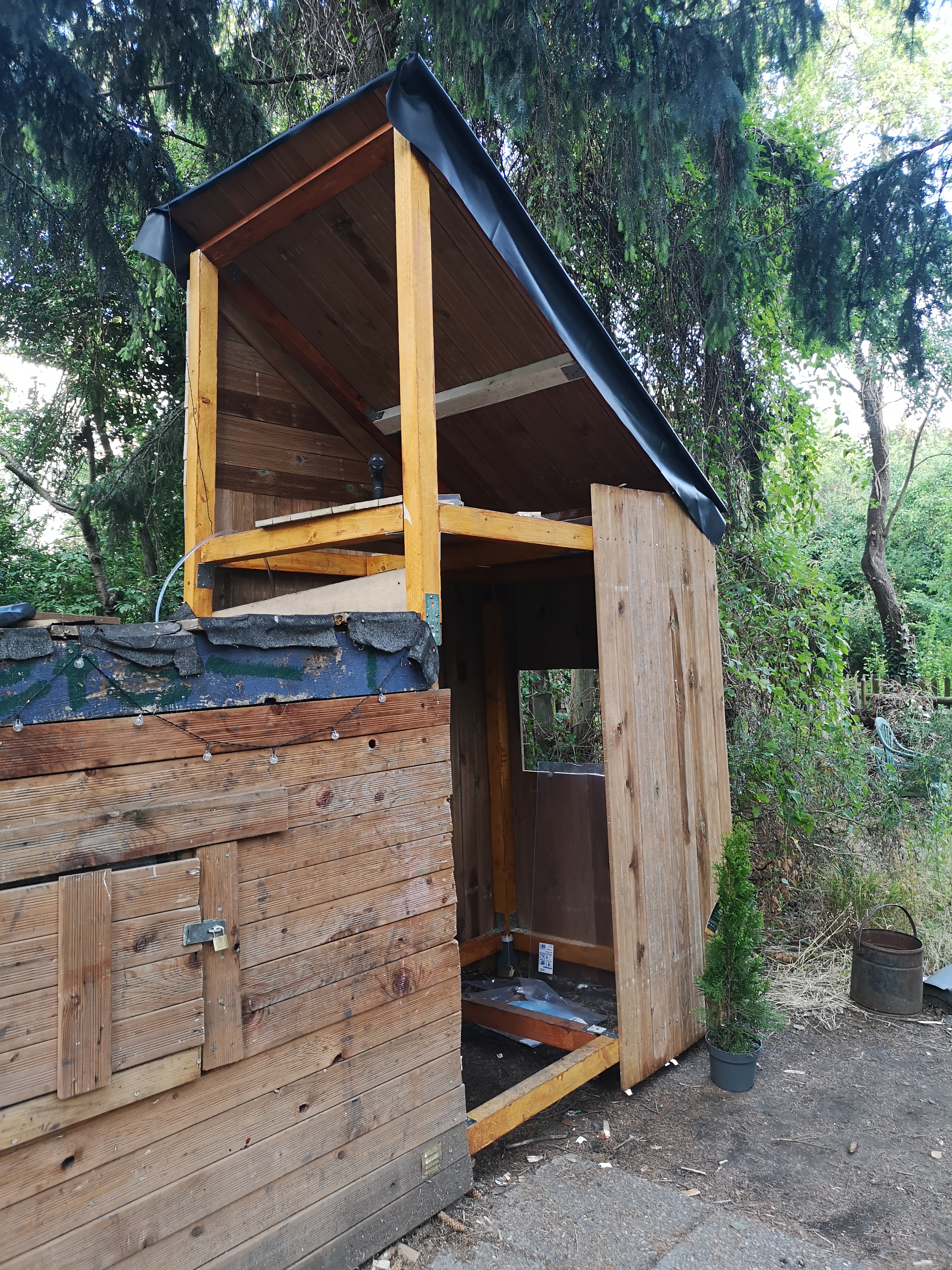
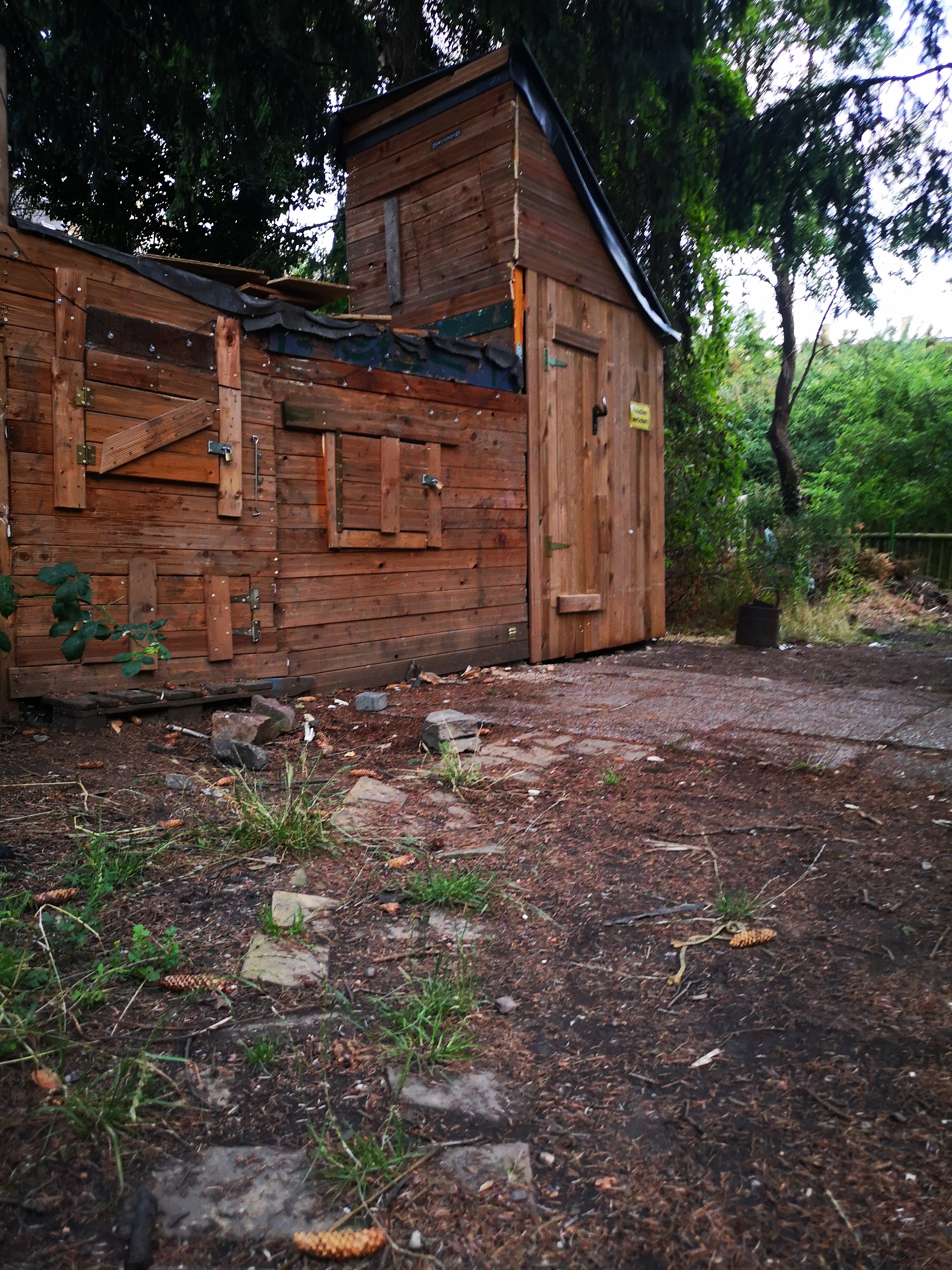
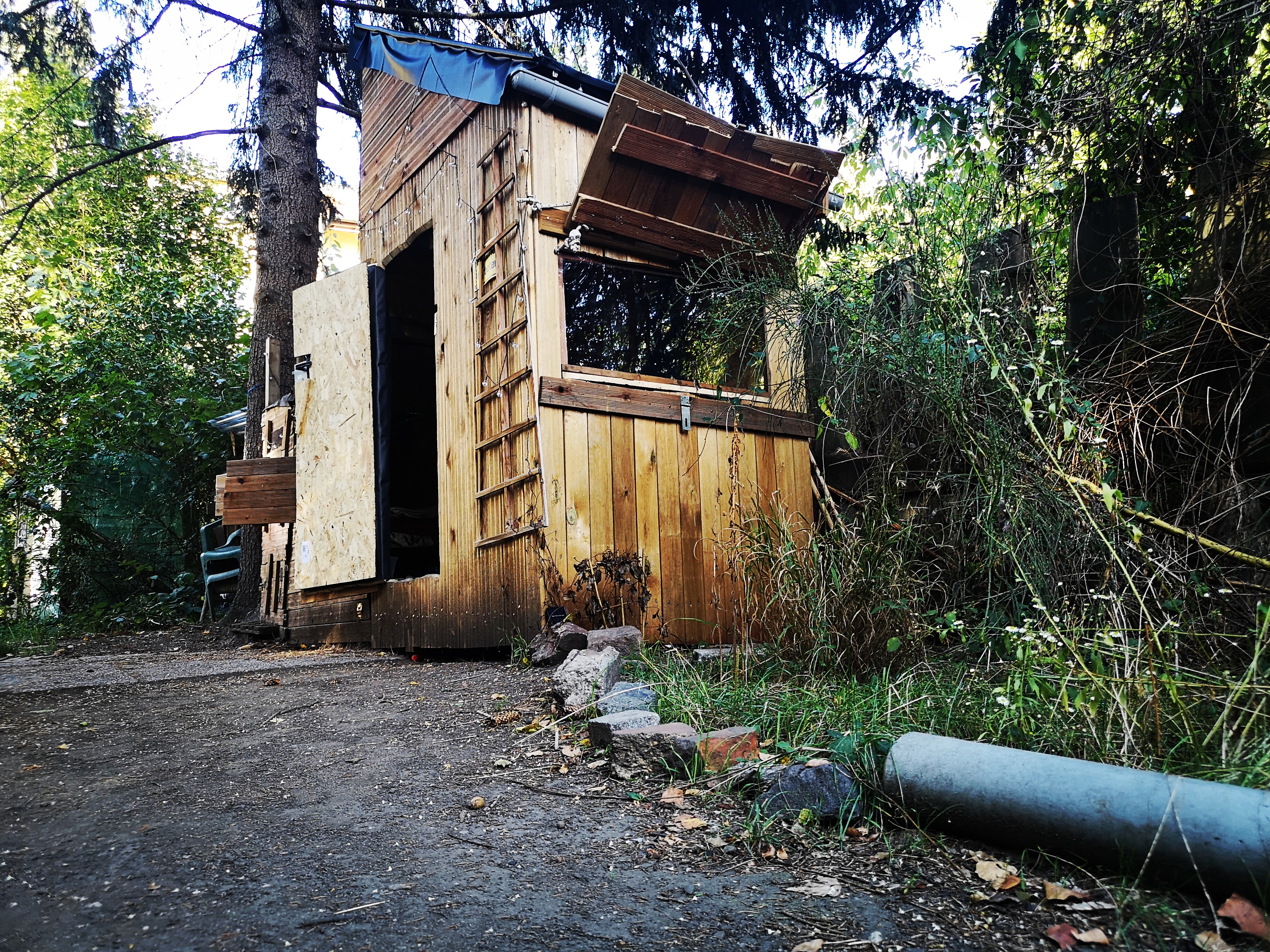
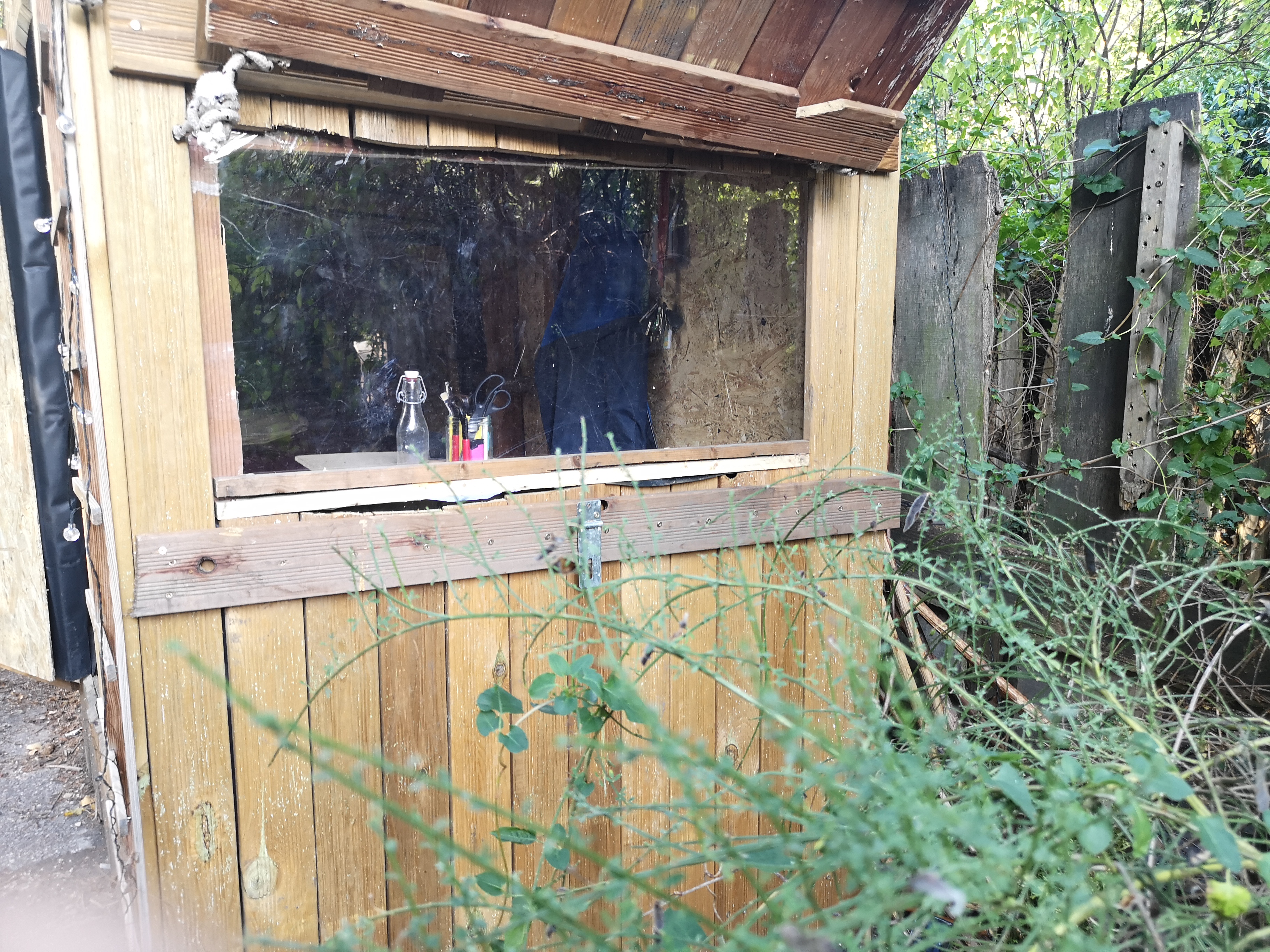
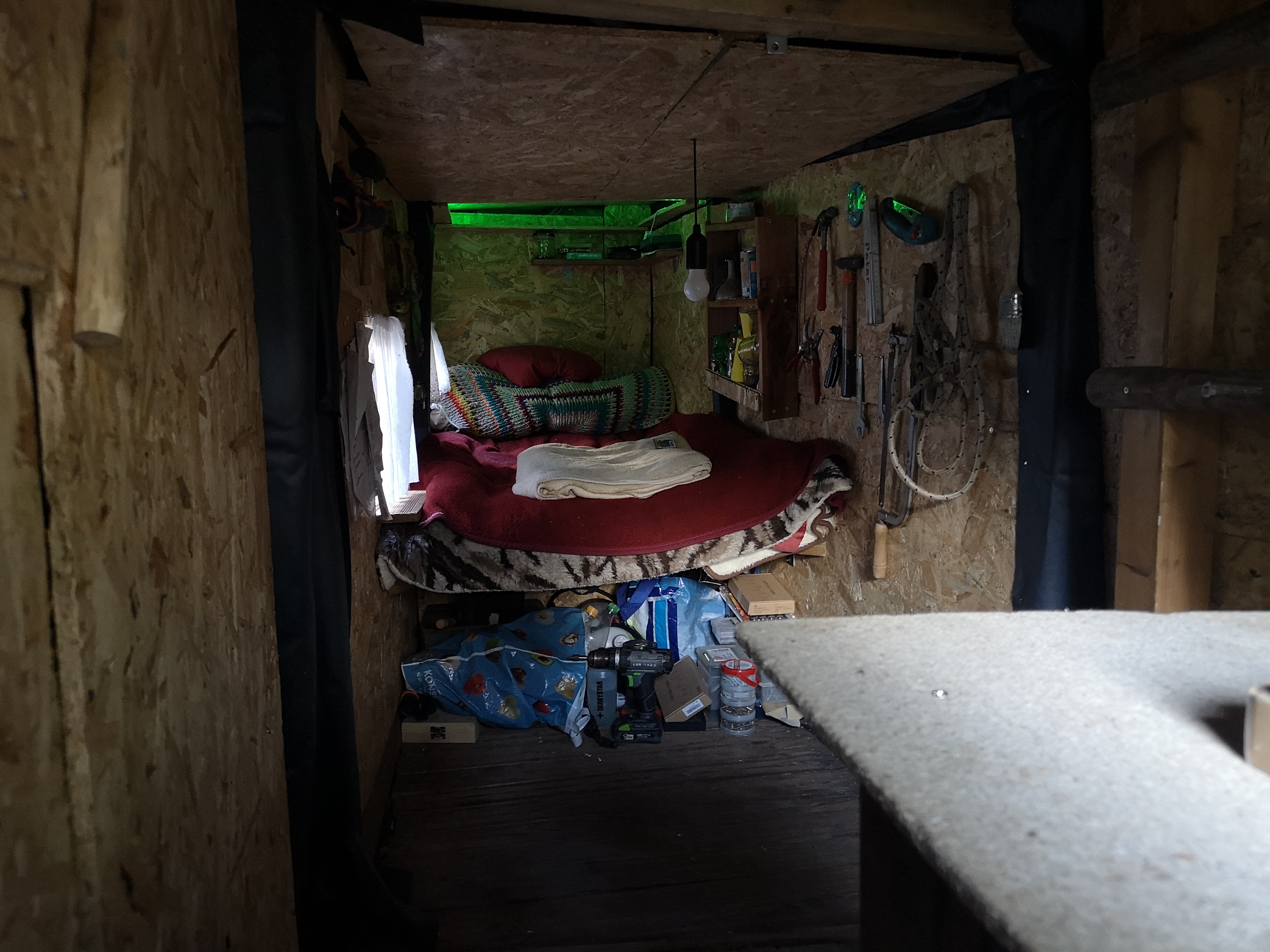
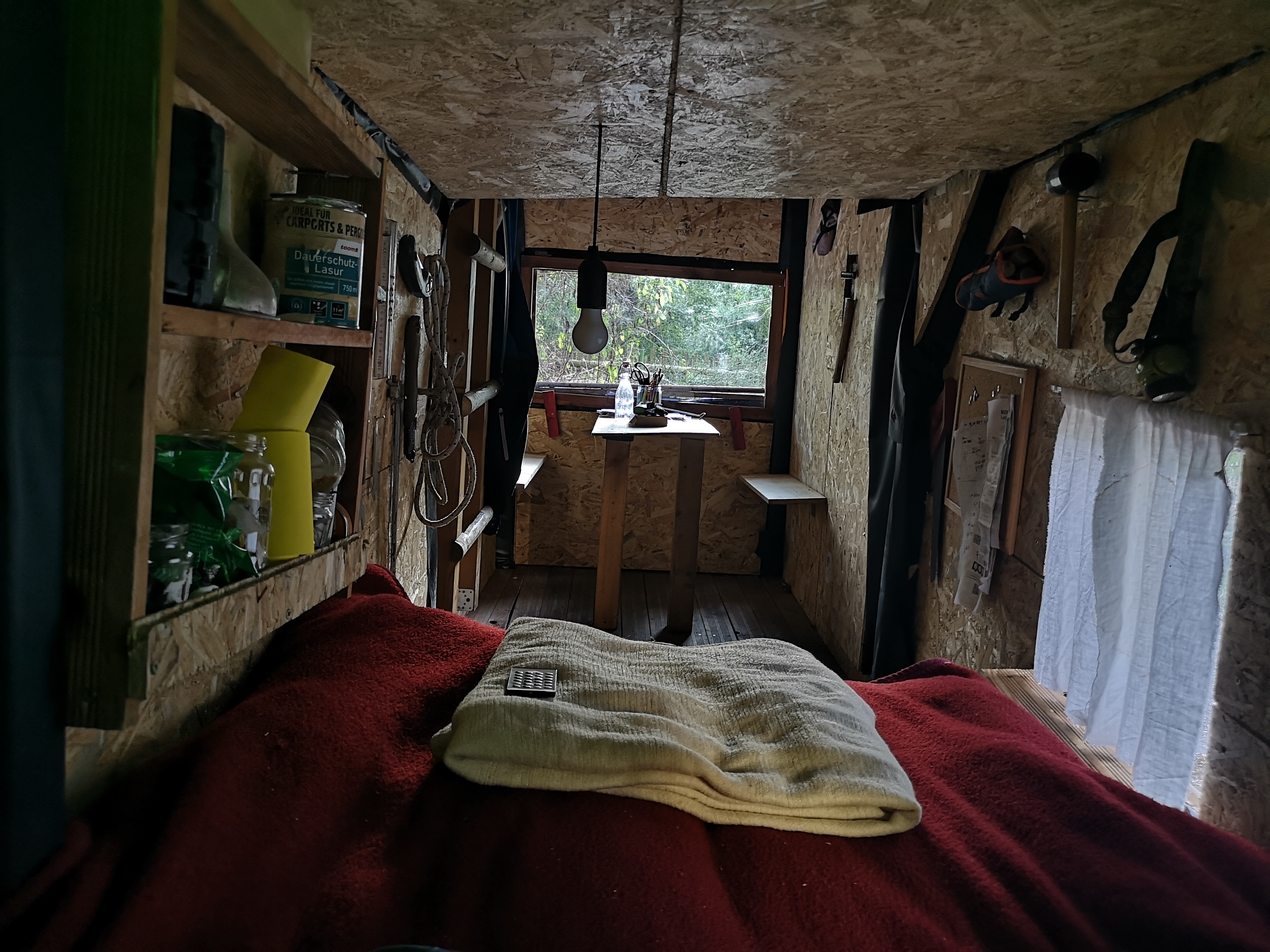
I started building huts and turning my plans into reality when I was just 6 years old. I started with simple teepees (Native American tents) and worked my way up to (as you can see in the pictures) a large house. A lot has happened in between. I founded my own country (with my friends as inhabitants) called Lomien. I also invented a language to go with it (which is still far from complete and only allows for simple sentences), a writing system, and my own currency. And yes, there were markets and even a “capital” called Qui Lomien (Lomian for “small town”). Unfortunately, our cabin(s) was destroyed several times and we had to pay for it. Speaking of paying, we mostly earned the money for the cabin ourselves (with flea markets) and planned and implemented everything ourselves. Today, the cabin is a leisure project. Relaxation in everyday life and simply a little oasis in nature.